How to Safely Remove Rat Nests from Augusta Properties
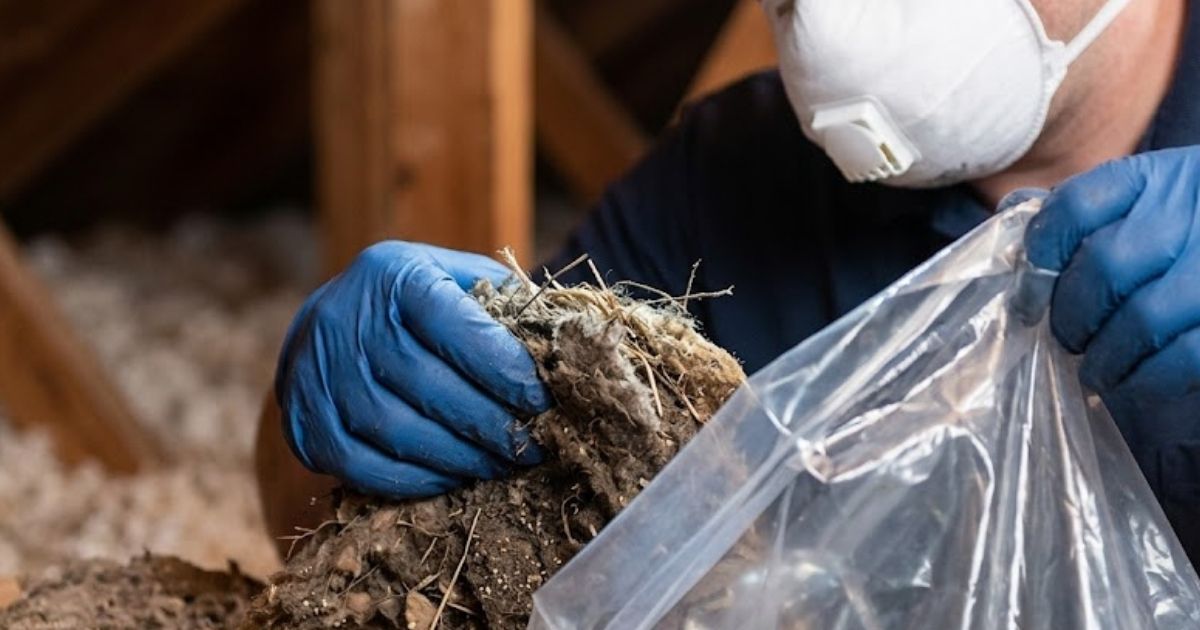
Rat nests carry genuine health risks that most homeowners underestimate. Hantavirus, Leptospira, and Salmonella are all associated with rodent nesting material and droppings, and disturbing a nest without proper protocol can aerosolize infectious particles. Augusta's humid climate doesn't deactivate these pathogens as quickly as cold, dry environments do — nest material in a humid attic or crawl space can remain infectious for months.
Before You Touch Anything: PPE Requirements
- Respirator: N95 minimum with a tight face seal. Not a dust mask — hantavirus is transmitted primarily by inhaling aerosolized particles.
- Gloves: Rubber, latex, or nitrile. Leather work gloves absorb contaminated material and are difficult to decontaminate.
- Eye protection: Safety glasses or goggles for enclosed spaces where particles can be disturbed upward.
- Disposable Tyvek suit or dedicated clothing: For attic or crawl-space work. Contaminated clothing brought into living space is a secondary exposure route.
The Correct Removal Sequence
Step 1: Ventilate before entering. Open all accessible vents and windows adjacent to the work area. Allow at least 30 minutes of cross-ventilation before entry.
Step 2: Apply disinfectant before any physical removal. Wet the nest and surrounding area thoroughly with an EPA-registered disinfectant — a 1:10 bleach solution is effective. Allow a minimum 5-minute dwell time. This step eliminates the aerosolization risk and is the one most homeowners skip.
Step 3: Collect carefully, do not sweep. Use gloved hands or disposable tongs to collect nest material into a heavy-duty plastic garbage bag. Do not sweep, vacuum without HEPA filtration, or use compressed air — all aerosolize particles. Double-bag and dispose in an outdoor container immediately.
Step 4: Apply disinfectant again after removal. A second application to the cleared area addresses residual contamination on the substrate.
Step 5: Bag and dispose of PPE. Remove gloves last, bag all disposable PPE, wash hands thoroughly, and shower before touching household surfaces.
Augusta humidity and hantavirus persistence: Hantavirus is rare in Georgia — but it is not absent. An Augusta crawl space in spring (warm, very humid) is closer to optimal hantavirus persistence conditions than a cold attic in Montana. The protocol exists because the protocol is what keeps the risk low.
When Professional Removal Is the Only Appropriate Option
Professional removal is the appropriate choice when: the nest is in an attic or crawl space where the enclosed space increases exposure risk significantly; the infestation was large and long-established; multiple nesting sites are present in different locations; any household member has a compromised immune system or respiratory condition; or you do not have access to adequate PPE.
The Pheromone Problem — Why Complete Removal Is Essential
A nest treated with deodorizer but not physically removed still contains pheromone compounds that mark the location as established harborage. These signals are potent enough to attract new rodents to the same location within weeks — even when every entry point has been sealed. Complete physical removal of all nesting material, followed by enzyme disinfectant to break down pheromone compounds, is the only approach that eliminates re-attraction.
Professional Nest Removal — HEPA Protocol
For attics, crawl spaces, and large infestations. Same-day service across Augusta and Richmond County.
📞 Call (844) 635-0403What a Rat Nest Actually Looks Like
Rat nests rarely look like the tidy bowls homeowners expect. They're loose collections of shredded fiber compressed into wall voids, attic insulation pockets, or crawl space corners — often spread across a larger area than expected. Recognizing what an actual nest looks like helps both with DIY identification and with knowing when professional removal is the safer choice.
| Nest Type | Typical Location | Materials | Removal Considerations |
|---|---|---|---|
| Norway rat ground-level nest | Crawl space corners, behind garage appliances, inside outbuildings, foundation-adjacent storage | Dense fiber: shredded cardboard, insulation batting, plant material | Ground-level access; PPE adequate for DIY in some cases |
| Roof rat elevated nest | Attic insulation, soffit cavities, behind structural elements at roofline | Lighter fibers: fiberglass insulation, shredded paper, fabric | Attic access; PPE more critical due to confined-space exposure |
| Wall-void nest | Inside finished walls between studs | Whatever fiber is accessible from inside the void | Requires drywall access; usually professional scope |
| Satellite nesting site | Adjacent voids to main nest; less-developed | Sparser material; sometimes just initial gathering | Often missed in DIY removal; comprehensive scope finds them |
The pattern that matters: properties with one visible nest typically have 2-4 satellite sites that aren't immediately visible. Removing only the obvious nest leaves the satellites intact, and the population redistributes within weeks. Comprehensive nest removal addresses all of them through systematic inspection.
DIY Safety Protocol — When DIY Makes Sense
For small accessible nests in non-confined spaces — a single nest in a garage corner, an outdoor shed, or visible crawl space access — DIY removal can work with proper protocol. The risk isn't the rat (it's gone by the time you find the nest in most cases) — it's the dried droppings, urine, and nest material that aerosolize pathogen particles when disturbed.
The protocol:
- Wear N95 or better respirator, gloves, and Tyvek coveralls (or expendable long-sleeve clothing you'll dispose of)
- Wet the entire nest area with 10% bleach solution or commercial disinfectant. Wait 5-10 minutes before disturbing anything. The wetting suppresses aerosolization.
- Use a flat scoop or shovel to lift material into double plastic bags. Don't use a vacuum.
- Disinfect the surrounding area after material removal. Allow surfaces to dry before reinstating use.
- Dispose of contaminated PPE alongside the nest material.
For attic or crawl space nests with extensive contamination, professional removal is materially safer because confined-space exposure exceeds what household PPE protects against. The cost differential between DIY and professional is small enough that for serious contamination, the safety margin justifies professional scope. Professional droppings cleanup uses HEPA-filtered equipment that household vacuums don't approach.
Why Nest Removal Without Exclusion Produces Recurrence
The nest is the symptom; the conditions that allowed it are the cause. Removing only the nest leaves the entry points open, and subsequent rodent populations establish in the same locations within months. The same conditions produce the same outcomes.
For Augusta properties facing repeat nesting in the same locations, the realistic plan combines nest removal with rat proofing to address both the current nest and the structural conditions that produced it. Properties in older neighborhoods like Olde Town and Harrisburg particularly benefit from this combined scope because the structural conditions producing nest opportunities are often extensive.
What Happens After Nest Removal
For most Augusta properties, comprehensive nest removal produces immediate visible improvement — odor reduction within 24-48 hours of completion, no continued sounds of activity, no new droppings appearing. The residual concerns are typically about whether removal was actually comprehensive (did satellite sites get addressed?) and whether the structural conditions that allowed nesting were resolved.
The verification step at 10-14 days post-removal addresses both concerns. Re-inspection identifies any missed sites and confirms structural exclusion held. Properties without verification visits sometimes see activity reappear within 30-60 days because either a satellite site was missed or new entry points developed. The verification cost is small relative to the cost of repeat treatment if recurrence happens.