Forest Hills and the Canopy Roof Rat Problem
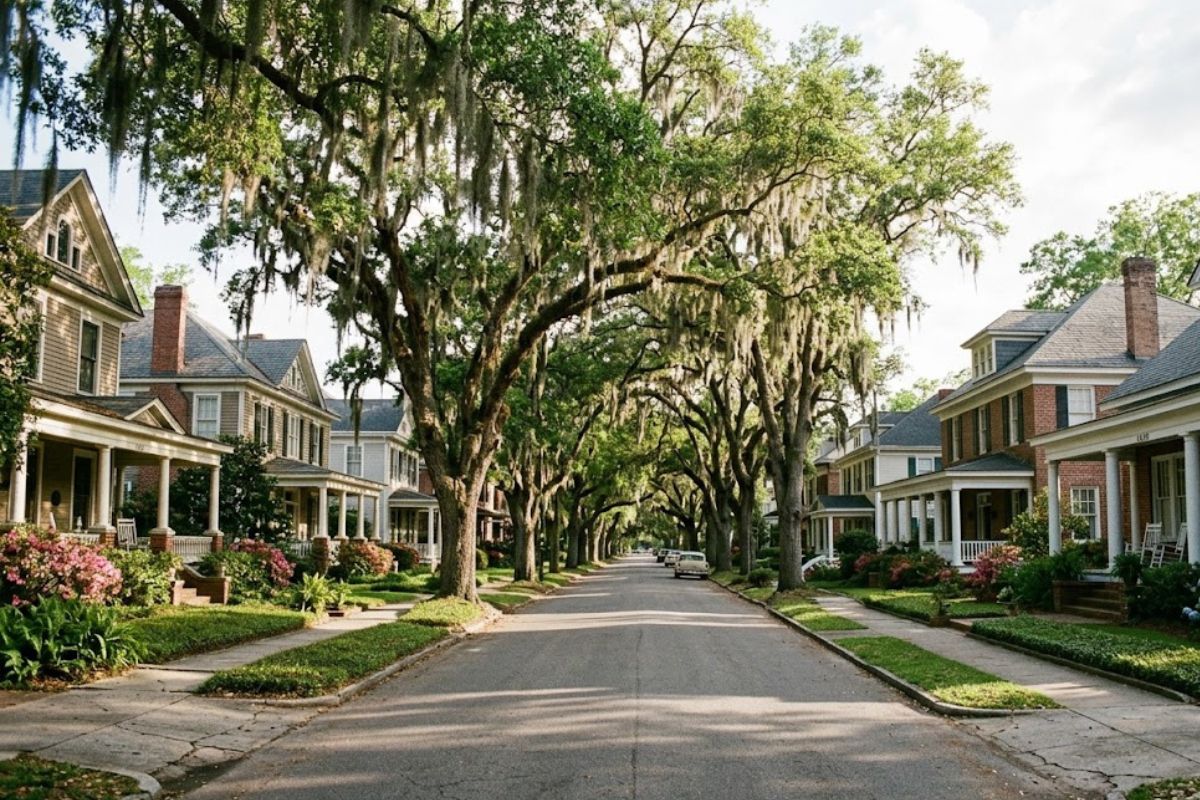
Forest Hills is a mid-century Augusta neighborhood — primarily 1940s through 1960s construction — with a dense mature tree canopy of oaks and pines that gives it the same overhead roof-rat access pressure as Summerville, but with a different structural vocabulary. The ranch-style and split-level homes typical of Forest Hills have rooflines that are generally lower than Summerville's Victorian two-stories, which actually makes some roofline entry points more accessible to roof rats rather than less.
The primary entry vectors in Forest Hills are soffit vent corrosion (aluminum soffit vents from 1950s–60s construction degrade over time, leaving gaps), overgrown tree branches that have grown to touch or overhang rooflines over 60+ years of growth, and — on properties with mature pine trees adjacent — roof rats using pine branches as a highway to attic vents. We inspect and address all three during every Forest Hills attic service call.
Services for Rodent Control in Forest Hills
Roof Rat Removal
Attic roof rat removal for canopy-corridor Forest Hills homes
Attic Proofing
Soffit vent and roofline exclusion sealing
Rat Control
Full rat removal with permanent exclusion
Attic Cleanup
Post-infestation remediation and sanitization
Rodent Exclusion
Permanent entry-point sealing
Inspection
Written report with entry-point documentation
Forest Hills Roof Rat Activity Across the Calendar
Forest Hills shares Summerville's canopy pressure profile but with a slightly different seasonal expression because the housing stock here skews mid-century rather than historic. The roof rat pressure peak (September–November) hits Forest Hills harder than Summerville per-acre because the 1950s-1970s construction common here has more roofline access points than older Summerville housing — pre-existing vent terminations, dormer junctions, and soffit gaps have had decades to develop entry potential.
The winter breeding window (December–March) tends to produce noticeable insulation degradation in Forest Hills attics because the attic insulation in this construction era often hasn't been upgraded since installation. A colony established in October moves into compressed insulation by January, and homeowners typically don't discover the contamination until spring inspection or HVAC service.
Spring (April–June) is when most Forest Hills exclusion work gets scheduled because outdoor pressure drops temporarily and the previous winter's interior activity has been documented enough to scope the work accurately. The combination of cool morning attic temperatures (before mid-May heat) and lower active-infestation demand makes this the practical season for comprehensive exclusion projects.
What Forest Hills Treatment Scope Typically Includes
A standard Forest Hills residential rodent engagement focuses heavily on attic and roofline work because the canopy pressure drives most of the activity. Comprehensive treatment usually combines attic trapping (where active colony is present), soffit and gable vent exclusion (sealing the points the rats use to access the attic), and tree-branch overhang assessment (the homeowner's separate decision about whether to trim branches that act as canopy highways). The work typically takes 1.5-2 days for the active phase.
For Forest Hills properties with mature canopy that the homeowner doesn't want to trim — many homeowners value the shade more than they fear the rodent pressure — annual roofline exclusion maintenance becomes a sensible pattern. Re-inspection each fall before pressure peaks catches new degradation before rodents exploit it.
Forest Hills inspection reports typically include a separate canopy-overlap assessment beyond the structural entry-point documentation. The assessment notes branches within 4 feet of fascia or roofline (active roof-rat highways), branches between 4 and 8 feet (potential highways that may become active if pruning happens nearby), and major canopy structures that warrant tree-care professional evaluation rather than rodent-control intervention.
For Forest Hills homeowners with mature canopy bordering the street, tree-care professional consultation alongside our exclusion work produces the most durable long-term outcome — both disciplines addressing different parts of the same pressure environment.
Forest Hills-Specific Rodent Questions
Why do roof rats prefer Forest Hills attics?
The mature tree canopy that has grown over 60+ years in Forest Hills gives roof rats overhead access to rooflines across the neighborhood. Ranch-style homes with lower rooflines can actually be more accessible from adjacent trees than taller Victorian structures.
What are the signs of roof rats in a Forest Hills attic?
Scratching or running sounds in the ceiling at night, droppings along attic rafters, gnaw marks on HVAC line insulation, and compressed or disturbed insulation in concentrated areas near the eaves.
How much does roof rat removal cost in Forest Hills?
Inspection runs $150–$250. Roof rat removal plus exclusion for a Forest Hills home typically runs $400–$900 depending on attic configuration and roofline complexity.
Do you offer same-day service in Forest Hills?
Yes. Forest Hills is in our core Richmond County service area with same-day slot availability. Call (844) 635-0403 to confirm.
Stop the Damage Before It Spreads — Get a Free Inspection
Roof rat attic removal and roofline exclusion for Forest Hills homes. Call now for same-day scheduling.
📞 Call (844) 635-0403