West Augusta's Mixed-Use Rodent Pressure
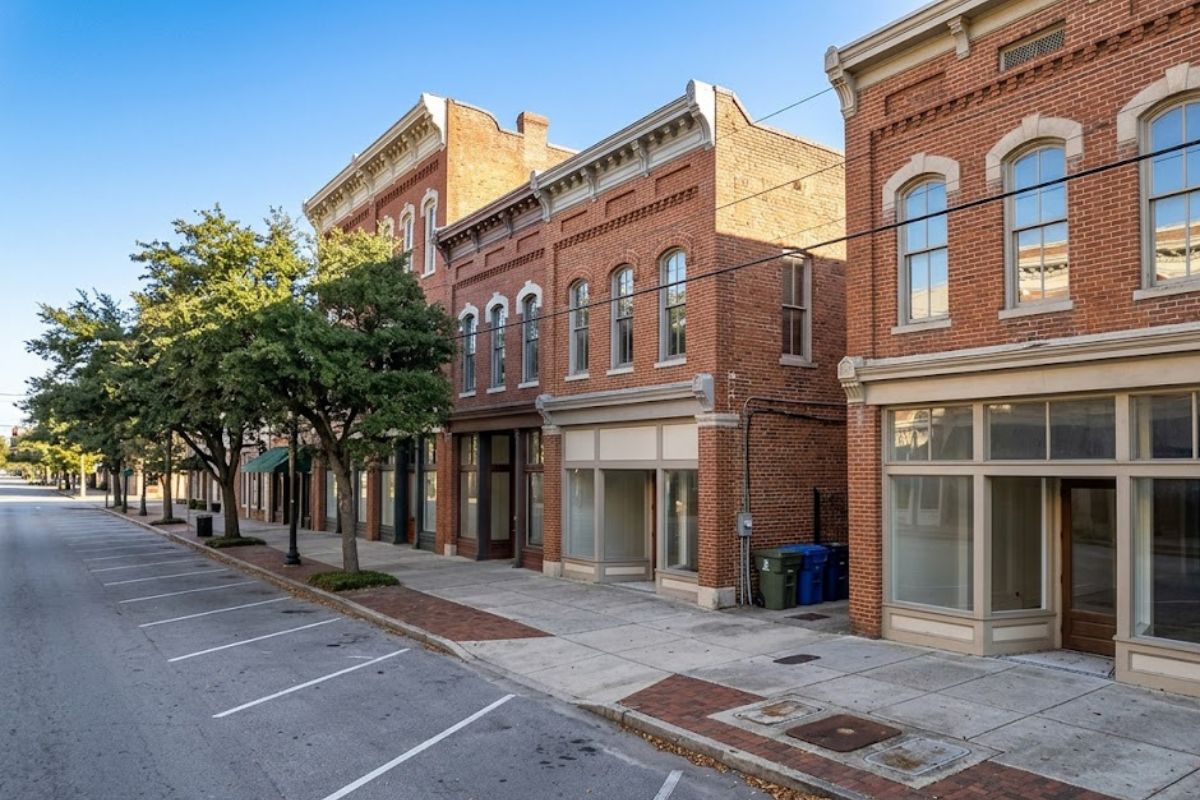
West Augusta encompasses the Gordon Highway commercial corridor and the residential neighborhoods running parallel to and west of the Augusta Canal — a geographic combination that creates sustained rodent pressure from multiple overlapping sources. The Augusta Canal corridor, with its industrial history, water adjacency, and vegetation banks, sustains year-round Norway rat populations that affect both the canal-adjacent industrial properties and the residential blocks within a half-mile of the water's edge. Gordon Highway's commercial density adds dumpster-pad and food-service waste pressure on top of the canal baseline.
Residential properties in West Augusta face Norway rat pressure from commercial adjacency and, in the older sections, crawl-space vulnerability from mid-century to early-20th-century construction. House mice are a secondary presence throughout, entering through utility gaps and aging door seals.
Services for Rodent Control in West Augusta, GA
Rat Control
Norway rat removal for canal-corridor and commercial-adjacent properties
Commercial Control
Ongoing programs for Gordon Highway businesses
Warehouse Control
Industrial programs for Augusta Canal–adjacent facilities
Rodent Exclusion
Permanent entry-point sealing
Bait Stations
Perimeter programs for commercial and residential properties
Same-Day Service
24/7 dispatch across West Augusta
What Drives West Augusta's Mixed Rodent Pressure
West Augusta covers enough geographic and demographic territory that single-pattern descriptions don't capture the rodent pressure across the area. The neighborhoods between Walton Way Extension and Wheeler Road face different conditions than the blocks closer to Augusta Mall, which face different conditions than the residential pockets along Washington Road approaching Westside. Treating West Augusta as homogeneous misses the variation that matters for diagnostic accuracy.
The Walton Way Extension corridor — older single-family housing approaching the Wrightsboro Road intersection — sees pressure profiles similar to Summerville and Forest Hills: canopy-driven roof rat activity, mid-century construction with degraded roofline access, and seasonal pressure peaks tied to outdoor population cycles. The Wheeler Road residential blocks, by contrast, face more ground-level Norway rat pressure from adjacent commercial corridors and the apartment density along the corridor itself.
The newer construction in the Washington Road approach toward Westside has tighter baseline construction but faces commercial-pressure spillover from the retail corridor's restaurant and grocery density. The dumpster-density-to-residential-distance ratio drives more outdoor pressure than the construction quality alone would suggest.
What This Means for Inspection Scope in West Augusta
The practical consequence of West Augusta's varied conditions is that our inspection scope adjusts by sub-neighborhood. For older Walton Way Extension properties, the attic and roofline work weighs heavily; for Wheeler Road properties, foundation and crawl space work weighs heavier; for Washington Road approach properties, perimeter bait stations and exterior monitoring carry more weight than for typical residential. We don't apply a single West Augusta template — the inspection determines which sub-pattern applies and the work follows.
How West Augusta Schedule Adjustments Work
West Augusta's varied conditions mean different blocks see pressure peaks at different times of year. Canopy-driven areas follow the September-November pattern that defines Summerville. Commercial-corridor-adjacent blocks see more constant year-round pressure. Newer construction blocks see fewer total issues but with different timing.
The practical implication is that scheduled inspection timing varies by sub-neighborhood. We don't recommend a single "October inspection" rule for West Augusta the way we might for a more uniform neighborhood. The inspection schedule recommendation we provide is specific to which sub-pattern your property fits.
The variability across West Augusta also affects realistic expectations about treatment duration and recurrence prevention. Properties facing canopy-driven roof rat pressure resolve more durably than properties facing continuous commercial-corridor Norway rat migration. The pressure conditions don't disappear with treatment in the latter case — perimeter monitoring becomes part of the realistic long-term plan rather than the exception.
For homeowners choosing between treatment vendors, the West Augusta inspection should produce a sub-neighborhood-specific scope rather than a generic residential template. Templates miss the variation. The written report we produce documents which sub-pattern applies to your specific block and why the recommended scope fits.
Questions from Our West Augusta Service Calls
Does the Augusta Canal affect rodent pressure in West Augusta?
Yes significantly. The canal sustains a stable Norway rat population along its banks that does not diminish with season. Properties within a half-mile of the canal — particularly those on the southern residential blocks — face baseline ground-level rodent pressure from this source year-round.
Do you serve commercial properties along Gordon Highway?
Yes. We serve restaurants, retail, warehouses, offices, and mixed-use properties along the entire west Augusta commercial corridor.
Do you offer same-day service in West Augusta?
Yes. West Augusta is in our Richmond County core service area with same-day scheduling available. Call (844) 635-0403 to confirm.
Trusted CSRA Rodent Specialists
Commercial and residential rodent programs for West Augusta. 24/7 dispatch — call now for same-day scheduling.
📞 Call (844) 635-0403